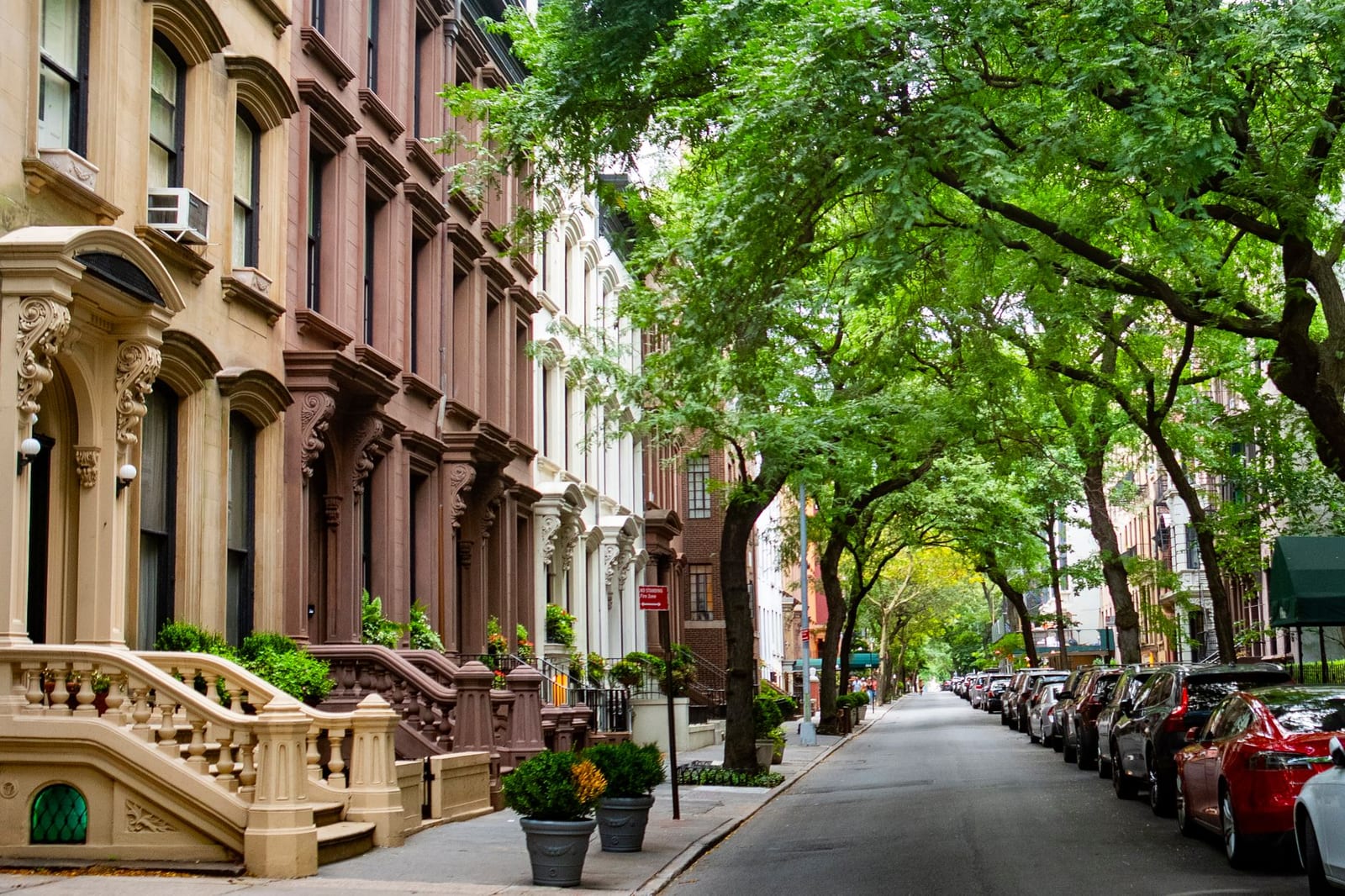
Williamsburg is one of the more building-type-diverse neighbourhoods in Brooklyn to service: converted industrial loft buildings with large void spaces and older commercial plumbing, new-construction high-rises with shared risers and amenity spaces, and older row houses with basements and party walls, often within a few blocks of each other.
That diversity changes what a residential inspection actually covers. A loft conversion needs a check of its larger void spaces and older foundation conditions. A high-rise unit needs its shared risers and utility chases assessed for whether a neighbouring unit's pest problem could spread. A row house needs its basement, foundation perimeter, and party walls checked the way any older attached building does.
On top of building type, Williamsburg's Bedford Avenue and waterfront nightlife corridor adds outdoor rodent and fly pressure that spreads into residential blocks, and the neighbourhood's rental turnover keeps bed bug vigilance elevated. We factor all of this into a residential service plan rather than treating every unit the same way.
Residential pest control in NYC: what the law and the research say
Under NYC's Asthma-Free Housing Act (Local Law 55 of 2018), owners of buildings with three or more apartments must keep units free of pests — including mice, rats and cockroaches — inspect at least once a year, and use Integrated Pest Management to fix the conditions that let pests in. Renters can hold a landlord to this standard, and a licensed treatment record helps document the request. (NYC HPD — Indoor Allergen Hazards (Mold and Pests), Local Law 55 of 2018)
Cockroaches and mice are common household asthma triggers; the CDC advises controlling them by removing food and crumbs and cleaning often, and specifically warns to "avoid using sprays and foggers as these can cause asthma attacks" — a key reason we favour targeted baiting over broadcast spraying in occupied homes. (CDC — Controlling Asthma)
The US EPA describes Integrated Pest Management (IPM) as "an effective and environmentally sensitive approach to pest management" that uses methods posing "the least possible hazard to people, property, and the environment" — prevention, exclusion and monitoring first, with targeted treatment only where it is actually needed. (US EPA — Integrated Pest Management (IPM) Principles)
A controlled trial in New York City apartments found units receiving IPM had significantly lower cockroach counts at 3 months, and roughly 60% lower cockroach-allergen (Bla g 2) levels in beds at 6 months, than untreated units — direct evidence that the prevention-first approach works in real NYC housing. (Environmental Health Perspectives (2009) — IPM in NYC public housing)
Targeted (IPM) vs spray-only pest control in an occupied home
| Targeted / IPM | Spray-only | |
|---|---|---|
| Approach | Find and seal entry points + sources, treat where needed | Broadcast pesticide across surfaces |
| Pesticide in the home | Minimised — baits + targeted application | Higher and repeated |
| Asthma / allergen risk | Lower — foggers and sprays avoided indoors | Foggers and sprays can trigger attacks (CDC) |
| How long it lasts | Longer — the way pests got in is closed off | Pests return once the spray breaks down |
How much does residential pest control cost in NYC?
$40–$900
One-time visit: $150–$500 (varies further by home size, e.g. $250–$450 at 1,000 sq ft up to $450–$750 at 3,000 sq ft). Monthly plan visit: $40–$70. Quarterly plan: $100–$300/visit or $400–$900/year. Initial/first visit under a plan often $150–$300 (sometimes waived on annual contracts).
| One-time visit | $150–$500 per visit |
| Monthly plan | $40–$70 per visit |
| Quarterly plan | $400–$900 per year |
US national figure — NYC typically runs higher.
Market range — not our quote
This is a market range synthesised from published cost guides — not a quote from this provider. The actual price depends on an in-person or photo-based inspection.
US national anchor (ThisOldHouse); direct fetch of Angi's NY-geo-targeted page returned HTTP 403 so its exact NYC figure could not be independently confirmed beyond search-snippet level — treated with extra caution.
What drives the price
- Plan type (one-time vs monthly vs quarterly vs annual contract)
- Home/apartment size
- Infestation severity (mild $100–$500, moderate $300–$700, severe $1,000–$8,000)
- Contract discount (annual contracts sometimes 10–15% below month-to-month)
Signs you have a home pest control problem
- Pests appearing shortly after a move-in, especially in a high-turnover rental building
- Activity that seems to be coming from a shared wall, riser, or basement rather than staying contained to your unit
- Seasonal pressure tied to nearby commercial food-service and nightlife density
- Issues that return after store-bought treatments
Why Williamsburg sees this
Williamsburg's mixed housing stock — loft conversions, high-rises, and row houses — means a residential inspection here has to be scoped to the specific building type, not a single generic checklist.
The Bedford Avenue and waterfront food-service and nightlife corridor adds rodent and fly pressure into nearby residential blocks beyond what the building itself would generate.
High tenant turnover in this rental-heavy neighbourhood keeps bed bug vigilance elevated year-round, and NYC's disclosure law (Local Law 69) and rodent obligations (Admin Code §17-133) apply to every building type equally.