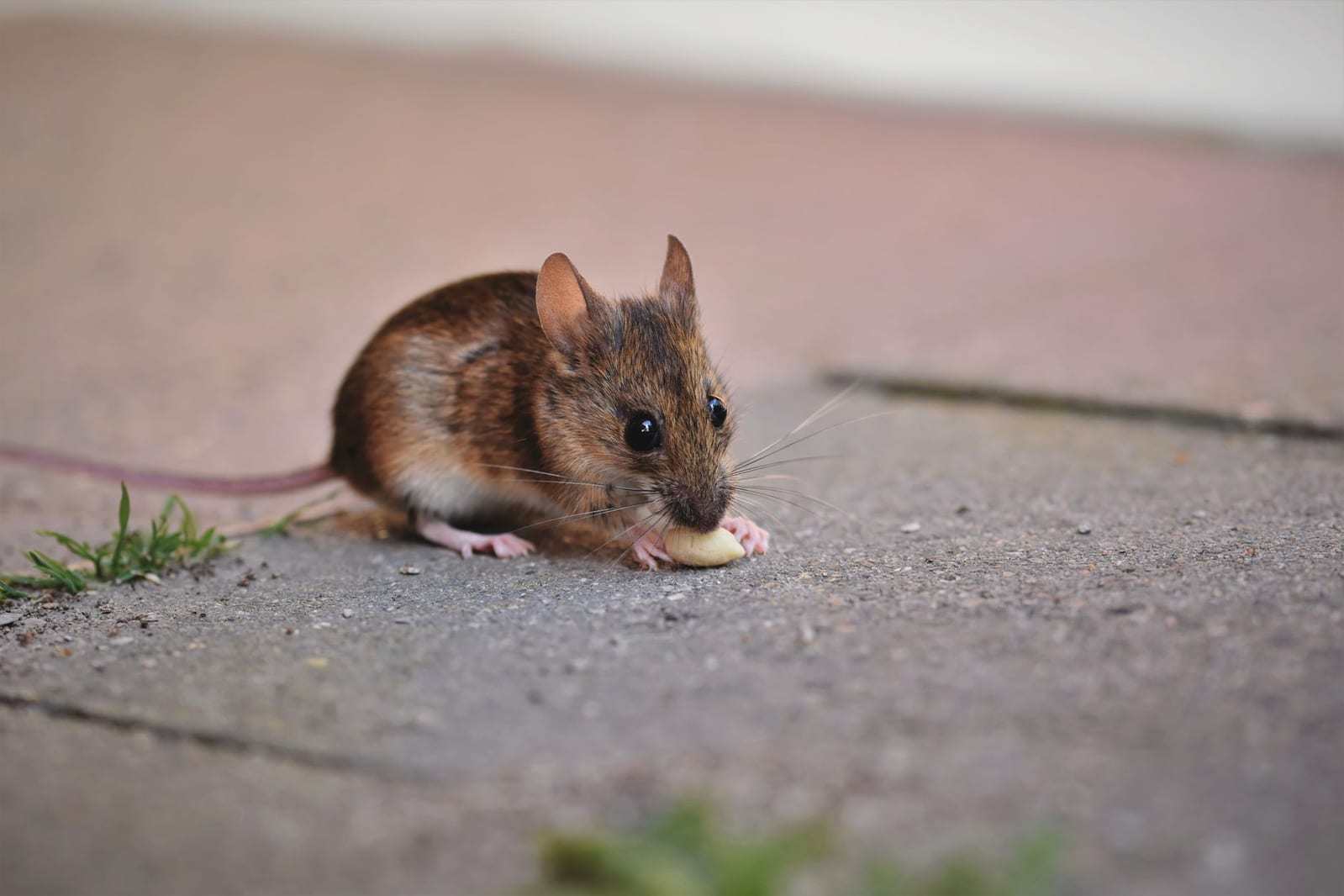
Quick answer
To get rid of rats in NYC, lead with exclusion: seal every gap larger than about a quarter (around pipes, foundation cracks, vents, utility lines and under doors) with rodent-proof materials, then strip out the food and harbourage — open trash, clutter, weeds and burrows — and only then knock down the active population with tamper-resistant bait stations and snap traps placed on the runways. Killing rats without sealing how they get in just invites the next wave from the sewer, the yard or the building next door within weeks, because in NYC the food and the underground highways never run out.
The short answer
In NYC, getting rid of rats is exclusion first — seal how they get in, then knock the population down. New York’s Norway rats have endless food from trash and restaurants and connected underground highways through sewers, basements and yards, so baiting alone never holds: clear a colony without closing the doors and the next one moves in from next door within weeks. Seal every gap the size of a quarter, strip the food and harbourage, then trap and bait responsibly — and remember it’s usually a block-wide problem, not a one-apartment one.
Know your enemy: the NYC Norway rat
Almost every rat you’ll meet in New York is the Norway rat (Rattus norvegicus) — a stocky, ground-dwelling burrower, not a climber. It lives in burrow systems under yards, stoops and parks, in basements and cellars, and along the sewer and subway lines that knit the city together. A single pair and their offspring can produce hundreds of rats in a year, and they range only a hundred feet or so from the burrow when food is close — which is why a restaurant’s waste or an un-bagged trash pile can sustain a colony right under one block.
Two traits drive everything about control:
- They burrow and travel fixed runways. You’ll see the proof — 2-to-4-inch burrow holes with smooth, packed edges near the foundation, and greasy rub marks where their fur oils the wall along the same path every night.
- They’re neophobic — wary of anything new. Drop a shiny snap trap or a fresh bait station into their world and they’ll avoid it for days. This is the single biggest reason DIY trapping “doesn’t work”: people give up before the rats commit. A pro expects it and pre-baits.
Why exclusion beats poison
The instinct is to put down bait and wait. But in NYC, killing rats without sealing the entries is a treadmill — the burrow, the sewer connection and the neighbour’s yard simply resupply the space. Worse, loose rodenticide has a real downside: a poisoned, slow-moving rat gets eaten by a red-tailed hawk, an owl, or a neighbour’s dog, and the poison moves up the food chain. NYC has documented raptor poisonings from exactly this. So the responsible approach is exclusion + trapping first, with tamper-resistant bait stations used carefully — never loose pellets, never poison as a substitute for closing the holes.
What actually works
- Inspect and read the signs. Map the burrows, runways, rub marks, gnaw damage and droppings before touching a trap. Fresh, soft, dark droppings mean active feeding; greyed, crumbly ones are old. (Full rundown: signs of rats in your NYC home.)
- Exclude — properly. Seal every gap a quarter could pass through with materials a rat can’t chew: steel wool packed into mortar, hardware cloth, sheet metal, concrete, door sweeps. Skip the foam-only patch — they gnaw straight through it. (How to rat-proof your NYC home.)
- Starve and clear them out. Trash in hard lidded bins (the reason behind the city’s containerization push), clutter and overgrowth cut back, pet food and birdseed picked up, old burrows collapsed. Take away food and cover and the rats either leave or take the bait.
- Knock down the survivors. Snap traps and tamper-resistant stations placed on the runways and at burrow mouths, pre-baited so the wary rats commit, all secured away from kids, pets and wildlife.
- Follow up and hold the line. Re-check in a couple of weeks: confirm the activity has stopped, that the seals are holding, and that nothing new has opened up.
It’s a block problem, and the city is part of it
Here’s the part DIY can’t fix: NYC rats are a block-wide animal. The burrow under your yard connects to the sewer, the empty lot, the restaurant cellar and the building next door. Seal your unit perfectly and the colony two doors down keeps the block populated. That’s why lasting control coordinates across the building and the property line — and why the city matters. Report persistent activity through 311; if you’re in one of the designated Rat Mitigation Zones, the Health Department already inspects proactively and can order owners to abate (see the NYC Rat Mitigation Zone guide and NYC rat laws).
When to call a professional
A single rat that wandered in, you might catch with snap traps and a sealed gap. But droppings in multiple rooms, burrows in the yard, rub marks along the basement, or any activity in a multi-unit building mean the source is beyond your apartment — and probably beyond your property line. Our rat & mouse control finds and seals the entry points DIY misses, baits responsibly, and coordinates the building-wide treatment that’s the only thing that actually ends it.