Quick answer
To get rid of mosquitoes in NYC, eliminate the standing water breeding them: once a week, empty and scrub anything that holds water — planters, buckets, trash lids, drip trays — clear clogged roof drains and gutters, and treat water you can't drain with an EPA-registered larvicide. For persistent pressure, professional barrier treatment knocks down adults where they rest.
What actually gets rid of mosquitoes in NYC?
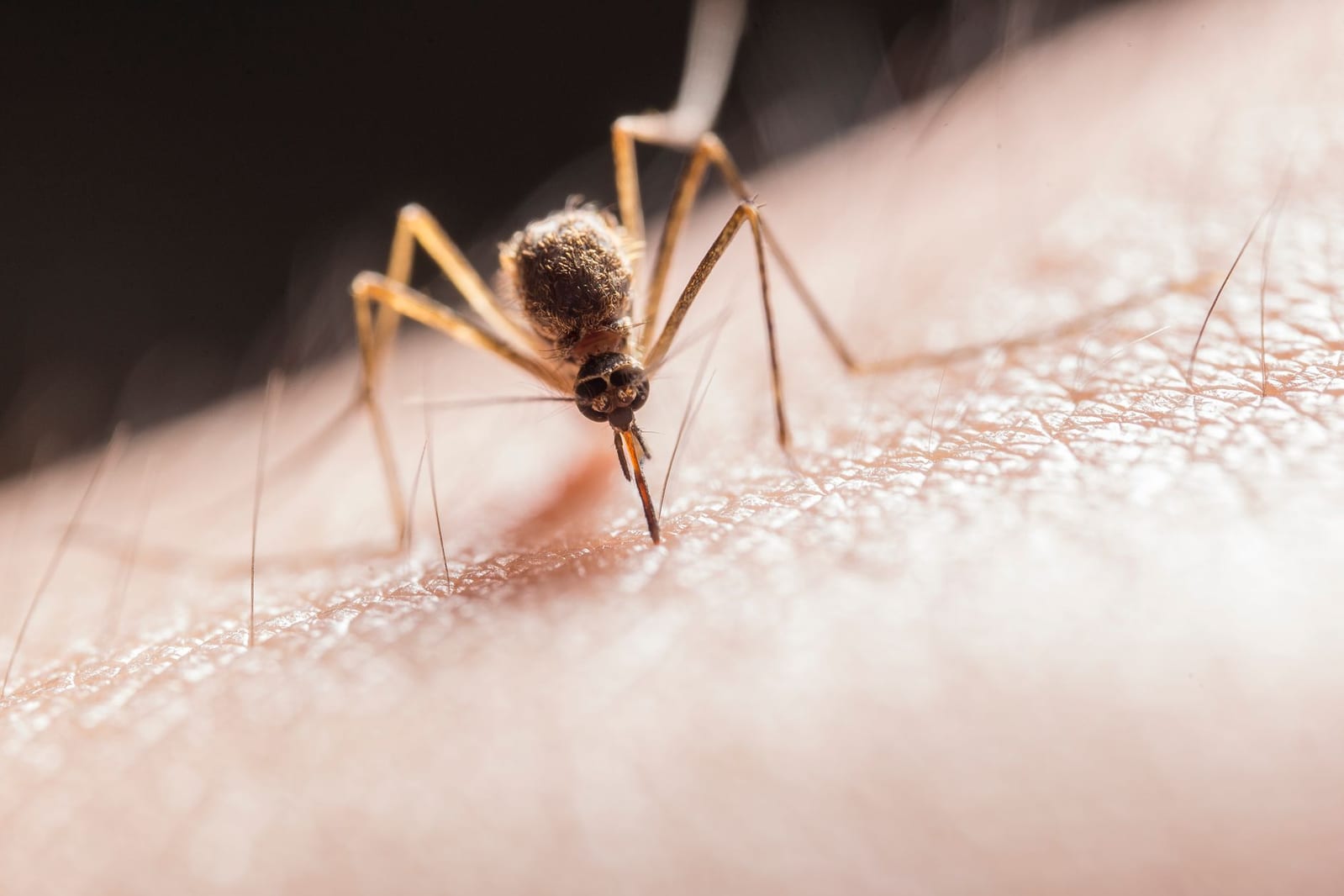
Removing the water they breed in. Every mosquito biting you spent its early life in standing water, and in New York City that water is rarely a swamp — it’s a planter saucer, a clogged roof drain, a bucket behind the building, a tarp over a grill. Control the water and you control the mosquitoes; spray adults without touching the water and a new generation replaces them in days.
That’s why the CDC’s mosquito prevention guidance is built around one habit: once a week, empty and scrub, turn over, cover, or throw out anything that holds water — tires, buckets, toys, pools, birdbaths, flowerpot saucers, trash containers. The scrubbing matters: mosquito eggs glue themselves to container walls and can survive a simple dump-out.
Where do mosquitoes breed on NYC properties?
The city’s breeding sites are small, artificial, and easy to miss. Walk the property weekly and check:
- Planter saucers and flowerpots — the classic brownstone-garden source.
- Roof drains and gutters — a clogged flat-roof drain is a rooftop pond. After every storm, water should be gone within days, not weeks.
- Courtyard and areaway drains — leaf-blocked drains in air shafts and rear courtyards hold water out of sight.
- Buckets, tarps, and covers — anything cupped or folded holds rain. Grill covers and construction tarps are reliable offenders.
- Birdbaths and fountains — fine if the water moves or is changed weekly; breeding sites if not.
- Trash area — upturned lids, uncapped bottles in recycling, low spots where bins sit.
- AC drip trays and fire escapes — small, constantly refilled, and right outside the window.
One property’s missed container can supply bites for the surrounding buildings, so in row-house blocks it’s worth comparing notes with neighbors. Street catch basins are city infrastructure — you can’t treat those yourself, so put your effort into everything on your own property line.
How do you treat water you can’t drain?
With a larvicide, before larvae become adults. Some water can’t simply be tipped out — an ornamental pond, a low spot that refills, a drain that always holds a few inches. The EPA’s guidance on controlling mosquitoes at the larval stage describes how larvicides applied to breeding habitat — standing water, catch basins, and similar sites — kill larvae before they can mature into adults and disperse. That early-stage intervention is the highest-leverage chemical step in mosquito control, because it works before the biting starts.
For home use, bacterial larvicides (Bti “mosquito dunks”) are EPA-registered, widely available, and target mosquito larvae specifically. Always follow the label — it’s the law and the instructions are what make the product safe and effective.
Why does it matter beyond the itch?
Because some NYC mosquitoes can carry disease. The CDC identifies West Nile virus — spread by mosquitoes — as the leading cause of mosquito-borne disease in the contiguous United States, with cases occurring nationwide. Most infections are mild, but some are severe. Reducing breeding sites around your home reduces exposure for everyone in the building, and screens plus EPA-registered repellent cover the bites that remain.
What does professional mosquito control add?
If you’ve done the water work and you’re still being eaten alive, the remaining pressure is coming from adult mosquitoes resting on or near your property — dense shrubs, ivy, shaded fence lines, under decks — or breeding sites you can’t reach. Professional mosquito and tick control adds three things:
- A trained source inspection — finding the breeding sites a weekly walk-through misses, including roof-level and structural water.
- Larviciding of unreachable water with professional products and placement.
- Barrier treatment — targeted application to the vegetation and shaded surfaces where adult mosquitoes rest during the day, knocking down the biting population and keeping it down through the season with scheduled service.
Seasonal timing matters: treatment that starts in late spring, before the June–September peak, beats playing catch-up in August. See the NYC pest control calendar for how mosquito season fits the city’s whole pest year, and if your outdoor-pest problem comes with stripes and a sting, that’s a different playbook — see how to get rid of wasps. Flying pests inside the apartment are usually flies, not mosquitoes — our fly guide covers those.